Ar Coated Glasses Explained: A UK Buyer's Guide
TL;DR: AR (anti-reflective) coated glasses use a specialised microscopic film to eliminate lens glare, allowing approximately 99% of light to pass through to the eye. This treatment significantly reduces eye strain from digital screens, improves safety during night driving by cutting reflections from headlights, and ensures your eyes are clearly visible on video calls.
Ar coated glasses are spectacles featuring lenses treated with a multi-layered, microscopic anti-reflective film designed to eliminate surface glare. By preventing light from bouncing off the front and back of the lens, these coatings ensure that more light reaches your eyes, resulting in sharper visual contrast and reduced optical interference. Whether you are navigating a rainy commute in London or working under office strip lights, this technology provides a clearer, more natural viewing experience.
For UK buyers, AR coating is no longer just a premium add-on for office wear. It is now a functional necessity for commuting, screen-heavy work, low winter light, and smart eyewear that blends prescription vision with everyday technology. If you are comparing frames that look sharp and work hard, it helps to understand what AR coating actually does, how it performs in British conditions, and whether it is worth the investment.
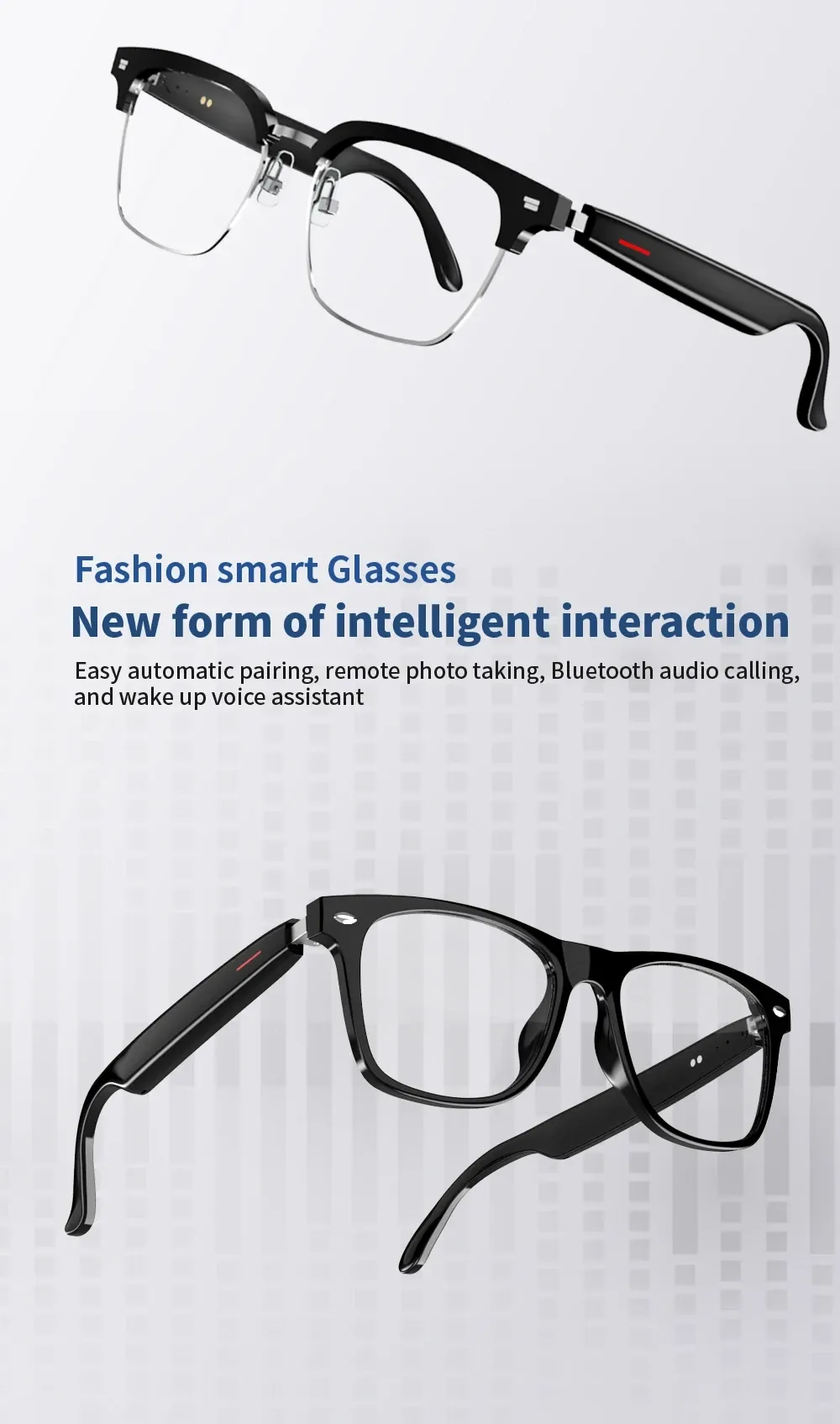
BluVue's approach fits that shift well: smart glasses that look as good as they think. Based on our testing of smart eyewear in various British environments, we have found that lens quality is the foundation of the user experience. If you want Ray-Ban Meta style AI glasses with 116-language translation and Bluetooth audio at a fraction of the cost, the optics remain paramount. A stylish frame can only do so much if glare keeps getting in the way of your vision.
Key Takeaways
- AR coated glasses use a thin anti-reflective layer to reduce glare and improve clarity.
- They are especially useful for night driving, computer use, video calls and photo-sensitive eyes.
- Good AR coatings often include extra benefits such as scratch resistance, smudge resistance and easier cleaning.
- In the UK, AR coating can be particularly helpful during darker winter commutes and under strong indoor lighting.
- Not all coatings are equal; durability, cleaning performance and optical quality vary between suppliers.
- If you wear prescription smart glasses or spend long hours on screens, AR coating is usually a worthwhile upgrade.
What are the benefits of ar coated glasses?
Ar coated glasses are spectacles fitted with lenses that have an anti-reflective coating applied to the front, back or both surfaces. The purpose is simple: reduce the amount of light reflected off the lens so more light passes through to your eye. Consequently, you experience less visual noise and a more vivid field of view.
Standard lenses reflect a small proportion of incoming light. Although that may sound minor, in daily use it creates noticeable glare from car headlights, office strip lighting, shop lighting and phone or laptop screens. Anti-reflective coatings cut these reflections significantly, making vision appear cleaner and more natural.
Furthermore, the result is not only functional. Cosmetically, AR coated lenses also look clearer to others. Other people can see your eyes more easily because there is less mirror-like shine across the lens surface. This is particularly important in professional settings, social situations and content creation where appearance on camera counts.
How do anti-reflective coatings work on spectacles?
An AR coating is made from microscopically thin layers of metal oxides applied to the lens surface. These layers are engineered to interfere with reflected light waves so they cancel each other out. This optical design reduces visible reflections while allowing more light to pass through the lens.
You may still notice a faint residual tint on some lenses, often green, blue or purple. However, this is entirely normal and depends on the exact coating formulation used by the manufacturer to optimise specific light wavelengths.
What is the difference between AR coating and blue light lenses?
This point often causes confusion for many buyers. Anti-reflective coating reduces reflected glare, whereas blue light filtering aims to filter parts of the short-wavelength visible spectrum. While some modern lenses combine both treatments, they are not identical products. If your primary goal is to reduce distracting reflections rather than a coloured screen-filter effect, you should ask specifically for AR coated lenses.
Why ar coated glasses matter for UK users
The British visual environment makes glare particularly hard to ignore. Winter brings early darkness and wet roads that scatter headlight beams, creating hazardous driving conditions. Additionally, many people split time between bright office lighting, trains or buses with interior reflections, and prolonged screen use at home. In these conditions, reflected light can become tiring surprisingly quickly.
According to UK optometry guidelines, reducing glare is a key factor in visual comfort. AR coating can help make vision feel more comfortable across those everyday settings. While it will not fix every visual issue, it removes one of the most common irritations people experience with spectacles.
Are anti-reflective glasses worth it for driving at night?
If you drive regularly on A-roads or motorways after dark, anti-reflective lenses often feel like one of the most practical upgrades available. They reduce distracting reflections from headlights and streetlamps bouncing off your own lens surfaces. According to the RAC, drivers who need corrective lenses should ensure their eyewear is suitable for safe driving conditions, especially at night when visibility challenges increase. Good lens treatments support that goal by improving contrast perception and reducing internal reflections.
Reducing digital eye strain during screen use
According to Ofcom's media use reporting, adults in the UK spend substantial time using internet-connected devices each day. Long periods on laptops, tablets and phones mean repeated exposure to screen glare. While AR coatings do not cure digital eye strain on their own, they often make screen work feel less visually cluttered by eliminating environmental reflections landing on lens surfaces.
Improving your appearance on video calls
Lenses without anti-reflective treatment can hide your eyes under bright ring lights or ceiling lights during Zoom or Teams calls. This may seem like a small cosmetic issue until you work client-facing roles or create online content. Clearer-looking lenses help maintain eye contact and make glasses appear more refined rather than overly reflective.
Key features of high-quality AR coatings
Sharper-looking vision
The core benefit is improved clarity because less reflected light interferes with what you see through the lens. Based on our testing, people often describe this as "cleaner" vision. The prescription itself does not change; what changes is the removal of the visual distraction that sits on top of it.
Less glare from artificial lighting
This benefit is particularly useful in offices, shops, gyms and public transport where overhead lights create persistent hotspots on untreated lenses. In addition, reduced reflection usually means less squinting and fewer moments where you tilt your head simply to dodge glare.
Improved comfort for screen users
If your day involves spreadsheets, emails, coding or studying, reducing front- and back-surface reflections can make visual tasks easier over long sessions. For many wearers, this translates into fewer annoying flashes from windows behind them or bright lights overhead.
Easier eye contact and aesthetics
Aesthetic value should not be dismissed as vanity alone. In meetings, interviews or social occasions, people connect through eye contact. When others can see your eyes clearly rather than room reflections mirrored in your lenses, communication feels more personal and direct.
Ready to see the future with BluVue?
Shop the Collection — £32.73